Can trauma really release through the body and mind—without reliving it?

You’ve done the work. You understand your patterns. You can explain why you feel the way you do — yet your body still reacts as if the past is happening now. Anxiety shows up without warning. Your mind won’t slow down. Your nervous system stays on high alert, even when life is “fine.”

This doesn’t mean therapy hasn’t worked — it means trauma isn’t stored only in thoughts. It’s stored in the nervous system, the body, and implicit memory.

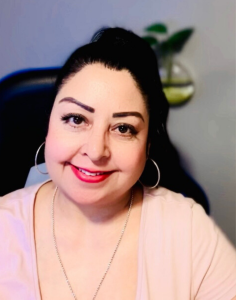
Rhea Jacobs, RCC, Certified EMDR therapist, Access Consciousness® Practitioner

I am Rhea Jacobs. I am professionally trained and experienced in EMDR therapy, EMDR Intensive therapy, and Access Consciousness® Practitioner with over a decade of experience in trauma recovery.

In this article, I’ll explain how Access Consciousness Bars and Body Processes work from a trauma-informed lens, what happens in the brain and body during sessions, who this work is (and isn’t) for, and how it can support deep, lasting trauma recovery without forcing you to relive painful experiences.

What are Access Consciousness Bars and Body Processes, really?

Access Bars® and Access Consciousness Body Processes are gentle, hands-on techniques that work with the nervous system and body to release stored stress, emotional charge, and limiting belief patterns. Rather than analyzing trauma, they support the body’s capacity to let go, regulate, and reorganize at a deeper level.

How does Access Bars® work?

Access Bars® involves lightly touching 32 specific points on the head, each associated with areas such as control, fear, healing, money, relationships, and creativity. These points store the electromagnetic charge of thoughts, beliefs, and emotional conditioning accumulated over a lifetime.

How does Access Consciousness Body Processes work?

Body Processes go beyond the head and work directly with the body’s tissues, fascia, nervous system, and energetic pathways — helping release trauma responses that words often cannot reach.

Clinical Example:

Clients who feel “mentally aware but physically stuck” often report a noticeable shift in calm, sleep quality, and emotional regulation after sessions — even when they couldn’t previously access these states through talk therapy alone.

“When the body feels safe enough to release, the mind doesn’t need to control the healing.”

How does touch change my brain and nervous system?

Gentle, intentional touch can shift the nervous system out of survival mode by activating parasympathetic regulation. This allows the brain to reduce hypervigilance, soften rigid neural pathways, and create conditions for neuroplastic change — without triggering threat or re-traumatization.

Trauma and the Nervous System

Trauma dysregulates the autonomic nervous system. Even years later, the body may remain stuck in fight, flight, or freeze — regardless of conscious insight.

Why does touch matter?

Safe, non-invasive touch can communicate safety directly to the nervous system, bypassing cognitive defenses and allowing stored stress to discharge.

Clinical example:

Clients with chronic anxiety often describe feeling “settled” for the first time — not because they were convinced, but because their body experienced safety.

“The nervous system responds to experience, not explanation.”

What is Cognitive Dissonance Body Access, and why is it powerful?

Cognitive Dissonance Body Access processes work with conflicting belief systems stored in the body, such as wanting change while fearing it. A person wanting goal fulfillment but still doing the opposite or taking no action.

These internal contradictions create tension, fatigue, and self-sabotage. The process helps dissolve these conflicts so the body can move toward coherence and ease.

Trauma creates internal conflict

Many trauma survivors live with opposing internal commands: stay safe vs. move forward, trust vs. protect, rest vs. stay alert.

How the body holds dissonance

These conflicts don’t stay mental — they embed into posture, muscle tone, breath, and stress physiology.

Clinical example:

Clients often report feeling “lighter” or more internally aligned after sessions, even when they couldn’t articulate what shifted.

“When internal conflict dissolves, energy becomes available for life.”

What should I expect during and after a session?

During a session, most people experience deep relaxation, mental quiet, or subtle body sensations. Afterward, clients often report improved sleep, emotional clarity, reduced reactivity, or increased energy. Experiences vary — some feel immediate shifts, others notice gradual changes over days.

During the session

You remain fully clothed, lying comfortably. There is no forced emotional processing or talking unless you choose.

After the session

Integration may continue for hours or days as the nervous system reorganizes.

Important note: There is no “right or perfect” experience — your body does what it’s ready to do in that session.

How does this support trauma recovery differently from talk therapy?

Talk therapy works through conscious processing. Access Bars and Body Processes work through physiological and energetic regulation. For trauma recovery, this is crucial — because trauma lives below conscious awareness. These approaches complement clinical therapy by addressing what words cannot reach.

Why isn’t insight enough?

Understanding trauma doesn’t automatically calm the body.

Integration with EMDR and trauma therapy

When combined with EMDR and somatic approaches, body-based work can accelerate stabilization and integration.

This is not a replacement for therapy — it’s an adjunct that supports deeper regulation.

Frequently Asked Questions

How often do I need to have my Bars run or receive a Body Process?

Frequency depends on your nervous system, stress levels, and goals. Some benefit from weekly sessions initially; others choose monthly or as-needed support.

How do Bars and Body Processes work on cellular memory?

Trauma influences cellular stress responses through neurochemical and bioelectric signaling. These processes support release by reducing chronic activation patterns stored in tissues and neural networks.

Can I do this on myself, and does it work the same way?

Self-application is possible, but receiving from a trained practitioner allows deeper nervous system surrender because you are not simultaneously directing and receiving.

Can this heal a specific injury or illness?

These processes are not medical treatments and do not replace healthcare. They may support the body’s natural healing capacity by reducing stress and resistance that interfere with recovery.

Are there side effects or “clearing symptoms”?

Some people experience temporary fatigue, emotional release, vivid dreams, or increased awareness — generally, they experience signs of nervous system integration and deep relaxation rather than any harm.

Is this safe for trauma survivors?

When facilitated by a trauma-informed practitioner, it can be exceptionally supportive because it does not require reliving traumatic memories.

Do I need to believe in it for it to work?

No. The nervous system responds to experience, not belief.

How is this different from massage or Reiki?

Access processes are structured, specific, and designed to work with consciousness, belief systems, and nervous system regulation — not just relaxation or energy flow.

Bringing the body back into healing

Trauma recovery isn’t about fixing what’s broken — it’s about allowing the body to release what it’s been carrying. Access Consciousness Bars and Body Processes, when combined with trauma-informed clinical care, offer a way to heal without force, overwhelm, or re-traumatization.

If you’re ready to move beyond coping and into deeper regulation, clarity, and choice, this work may be a powerful next step.

If you’d like to explore whether this approach is right for you, I invite you to book a free consultation and experience it firsthand.

Rhea Jacobs is a Registered Clinicial Counsellor, Certified EMDR therapist, and Access Consciousness® Bars & Body Practitioner. Rhea’s approach incorporates neuroscience, spirituality, and compassion to facilitate each client's healing journey.